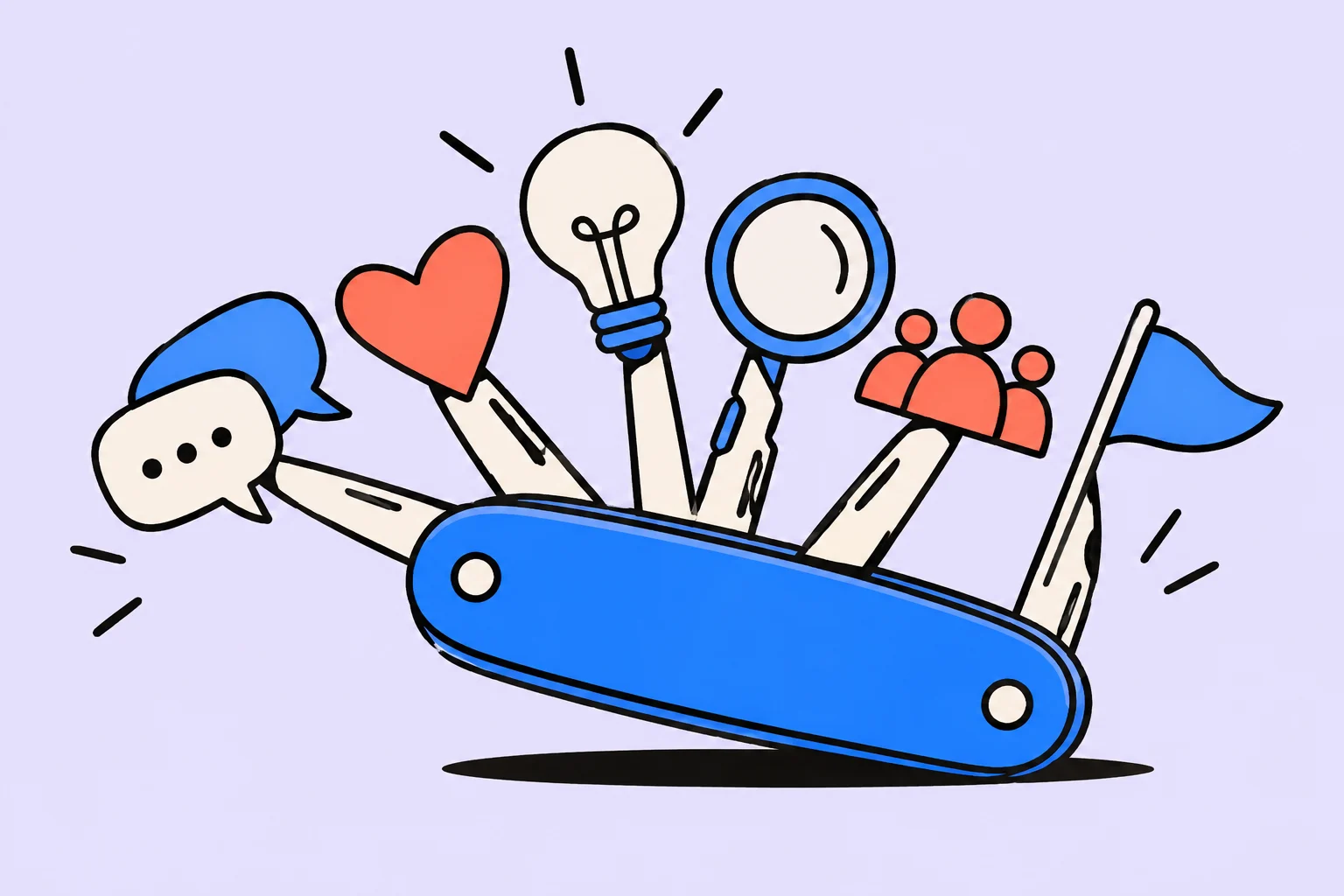
Automation and artificial intelligence are rapidly changing the job market. Tasks that once required years of training—data analysis, writing and code generation—can now be done by AI in minutes. But machines still cannot replace certain skills: empathy, leadership, adaptability and creative problem-solving. These soft skills determine your value in the job market in 2026 and beyond. In this guide, we examine each key soft skill, explain why it matters and offer a concrete development plan.
This article covers 10 key soft skills that shape career success in 2026. For each skill, you will find research findings, specific practices and a development plan. You will learn how time management and emotional intelligence affect earnings, why AI increases the importance of soft skills rather than replacing them, and how to create a personal plan for developing soft skills over a year.
Why soft skills matter more than hard skills in 2026
Research by LinkedIn Learning shows that 92% of HR managers consider soft skills as important as or more important than hard skills when hiring. The reason is straightforward: hard skills become outdated as technology changes every 2-3 years. Soft skills remain relevant for decades. Someone with excellent emotional intelligence and average technical skills can adapt and grow. Someone with brilliant technical skills and no communication skills will hit a career ceiling.
According to World Economic Forum, the most in-demand skills in 2025-2027 will be analytical thinking, creativity, leadership and social influence, technological literacy (working with AI), resilience and flexibility, and critical thinking. Four of the six are purely soft skills. Companies are also willing to pay a 12-20% premium for candidates with well-developed soft skills, even when their technical abilities are average.
Research by Harvard, Stanford and the Carnegie Foundation found that soft skills account for 85% of career success and technical knowledge for only 15%. This does not mean hard skills are unimportant: they set the entry threshold for a profession. But soft skills determine how far you rise once you enter it.
Consider two developers with the same technical ability who join a company. A year later, one is a team lead while the other remains in the same role. The difference? The first can communicate ideas, influence decisions, coordinate a team and manage client expectations. These are soft skills in action. Technical skills opened the door; soft skills helped them climb the career ladder.
of HR managers consider soft skills essential when hiring (LinkedIn)
of career success is determined by soft skills (Harvard, Stanford)
salary premium for high emotional intelligence
average time before hard skills become outdated in IT and digital work
Skill 1: Communication—the foundation of all soft skills
Communication involves much more than “being able to talk.” It means expressing ideas clearly and with structure, listening actively, adapting your communication style to the other person, giving and receiving feedback, resolving conflicts and having difficult conversations. In remote work, written communication becomes especially valuable: a chat message replaces a conversation in person, and every word matters. That is why expressing ideas clearly in writing is a distinct skill worth practicing deliberately.
Communication has several levels, each requiring its own practice. The first is informational communication: conveying facts and data. The second is persuasive communication: making arguments and influencing others. The third is emotional communication: empathy, support and motivation. The fourth is strategic communication: shaping a vision and inspiring a team. Most people are proficient only at the first level.
How to develop it: practice structuring your thoughts. Before every important message or email, ask yourself three questions: what do I want to convey, why does the other person need to know it, and what action do I expect? The “point → argument → conclusion” framework works in any communication, from an email to a presentation for 200 people. Practice active listening separately: restate the other person's point in your own words before responding.
Build a habit of giving one detailed piece of feedback a day. Make it constructive rather than simply saying “well done” or “bad”: “I liked how you structured the presentation, especially the opening. Next time, I suggest adding data to the competitors section to strengthen the argument.” After a month, you will notice better communication around you.
Skill 2: Leadership without a formal title
Leadership in 2026 is about influence, initiative and responsibility rather than hierarchy and giving orders. You can be a leader in any role: suggest improvements, take on project coordination and help colleagues grow. Companies increasingly value leadership from below: the ability to influence processes without formal authority.
The key elements of leadership are vision (seeing the whole picture rather than just your part), decisiveness (being willing to make decisions under uncertainty), accountability (owning the consequences instead of passing them to others) and team development (helping those around you improve). These qualities show up in everyday actions rather than grand declarations.
A modern leader does not know the answer to every question. They know how to ask the right questions, create space for ideas and make decisions using the team's collective intelligence. Google's Project Aristotle found that psychological safety is the most important factor in an effective team. The leader is the person who creates it.
An excellent way to develop leadership skills is to practice the habits of successful leaders. Daily reflection, systematic reading, regular team feedback and a habit of expressing thanks all build a leadership mindset. Leadership is a set of daily actions that inspire others to improve, rather than a position.
Take initiative
At your next meeting, suggest one specific improvement to a work process. Offer a proposal rather than criticism.
Become a mentor
Find a colleague you can help. Share your knowledge and experience without waiting to be asked or given a KPI.
Take responsibility
When something goes wrong, do not look for someone to blame. Say: “What can I do to fix this?”
Develop your vision
Regularly ask: “How does this project support the company's overall goal?” Learn to see the whole picture.
Skill 3: Adaptability and learning agility
The world is changing faster than ever. Within a year, ChatGPT transformed dozens of professions. People who quickly learned the new tools gained a competitive advantage. Those who resisted fell behind. Adaptability is an active ability to learn quickly and change your approach, rather than passive acceptance of change.
Developing adaptability starts with a habit of continuous learning. Spend at least 30 minutes a day learning something new: books, courses, podcasts or experiments with new tools. It need not be professional learning: any new knowledge exercises the brain's neuroplasticity and creates unexpected connections between fields. Learning how to learn is the most valuable meta-skill of the twenty-first century. Those who master it will never become “outdated,” because they can update themselves faster than the world around them changes.
Adaptability has five components: mental flexibility (willingness to revise beliefs when new information arrives), tolerance of uncertainty (ability to act without the full picture), learning speed (the time from not knowing to competence), emotional resilience (managing the stress of change) and proactivity (seeking change rather than reacting to it). Practice each component separately.
A practical exercise for adaptability: once a month, do something outside your comfort zone. It does not have to be grand: speaking to an unfamiliar audience, learning a new tool or taking on a task in a related field is enough. Each experience expands your “map of possibilities” and reduces anxiety about future change. Adaptability is a muscle strengthened by regularly stretching beyond the familiar.
Korn Ferry research shows that learning agility—the ability to learn quickly from new experiences—is the strongest predictor of career success. Leaders with high learning agility are promoted 2 times as often and are 25% more effective in new roles. It is the only skill that remains relevant in every economic situation.
Skill 4: Emotional intelligence (EQ)
Emotional intelligence (EQ) is the ability to recognize, understand and manage your own emotions and those of others. According to TalentSmart, EQ accounts for 58% of performance in any role. People with high EQ manage stress better, work more effectively in teams and resolve conflicts faster. As AI automates cognitive tasks, emotional intelligence becomes a key differentiator.
Daniel Goleman's model has four EQ components: self-awareness (understanding your emotions and their effect on behavior), self-regulation (managing impulses and reactions), social awareness (empathy and reading others' emotions) and relationship management (influence, communication and teamwork). Each component can be trained separately, with progress visible after 4-6 weeks of practice.
To develop EQ, keep a reflection journal. Every evening, write down which emotions you felt today, what triggered them, how you responded and how you could have responded better. After a month, you will notice patterns and be able to change automatic reactions deliberately. Another tool is a “pause before reacting”: when you feel a strong emotion, take a 10-second pause before responding. This simple action radically changes the quality of communication.
Empathy—the ability to understand another person's feelings and perspective—is also worth developing separately. Empathy can be cognitive (understanding another viewpoint) or emotional (feeling another person's emotions). Cognitive empathy matters more in business: it lets you anticipate the reactions of clients, colleagues and partners while retaining your own position.
of performance is determined by EQ (TalentSmart)
of top performers have high emotional intelligence
lost annually by a company for each employee with low EQ
Skill 5: Critical thinking and decision-making
In an age of information overload, the ability to distinguish facts from opinions, analyze arguments, and make informed decisions is invaluable. AI generates texts that sound convincing but may contain errors and so-called hallucinations. Social media is full of manipulation and misinformation. News feeds are optimized for engagement rather than truth. Critical thinking is your main filter for separating signal from noise, and its value grows in proportion to the amount of information available.
Critical thinking includes several subskills: analysis (breaking a problem into components), evaluation (assessing the reliability of sources and arguments), synthesis (drawing new conclusions from existing data), inference (logically deriving implications), and metacognition (awareness of your own thinking process). People who master all five subskills make decisions 35% more accurately (Halpern Critical Thinking Assessment research).
How to practice: before making a decision, ask: What evidence supports this? What alternative explanations exist? Who benefits from my believing this particular interpretation? What are the best- and worst-case consequences of my decision? The habit of asking questions before acting saves an enormous amount of time and resources. Use the “red team” technique: deliberately look for arguments against your own position.
It is also worth practicing how to recognize cognitive biases: systematic thinking errors that affect everyone. Confirmation bias (we seek only information that supports our opinion), anchoring (the first number we encounter influences every subsequent estimate), and survivorship bias (we see only successful examples and ignore failures): knowing these traps will help you make far better decisions. Create a “cognitive bias checklist” and use it to review important decisions.
Skill 6: Working with AI as a tool
This is a hybrid skill that sits between hard and soft skills. The ability to interact effectively with AI systems—formulating prompts, evaluating results, and combining machine and human intelligence—is becoming a basic requirement. The question is no longer “Will AI replace my job?” but “How can I use AI to make myself ten times more effective?”
A professional who knows how to work with AI can accomplish in an hour what takes someone else a day. A marketer using ChatGPT generates hypotheses faster. An analyst with an AI assistant processes data more efficiently. A manager using AI tools plans more accurately.
Key competencies for working with AI include prompt engineering (formulating requests that produce the most useful response), critical evaluation of AI outputs (fact-checking and identifying hallucinations), integrating AI into workflows (automating routine work), and ethical AI use (understanding limitations and risks). Start simply: use AI for drafts, data analysis, and brainstorming, gradually moving on to more complex tasks.
It is important to understand the difference between “using AI” and “working effectively with AI.” The first means asking ChatGPT a question and copying its answer. The second means building a system in which AI handles routine work while you focus on strategy, creativity, and relationships. For example, AI can prepare a draft report, but only you know which conclusions matter to a particular audience. AI can analyze data, but only you decide what action to take based on that analysis. Develop the skill of “orchestration”: directing AI as a tool for achieving your goals.
Skill 7: Stress management and resilience
Amid constant change, information overload, and intense competition, stress management is changing from a “useful extra” into a critical survival skill. According to WHO data, chronic stress causes 60-80% of doctor visits and reduces productivity by 30-40%. People who can manage stress do more than feel better: they make better decisions and experience burnout less often.
Resilience is the ability to recover quickly after setbacks, rather than the absence of stress. Resilient people see difficulties as challenges rather than threats. They learn from mistakes instead of getting stuck in self-criticism. This skill is especially valuable when changing careers or during periods of organizational change.
Practices that develop resilience include stress management techniques, regular physical activity (which lowers cortisol by 20-30%), meditation (8 weeks of practice for 10 minutes a day is enough to produce measurable changes in the brain), quality sleep, and mindful management of boundaries between work and personal life.
One of the most effective and underrated tools is “cognitive reappraisal.” This technique involves consciously changing how you interpret a stressful situation. Instead of “I have a problem,” think “I have a challenge.” Instead of “I am afraid of failure,” think “I am nervous because the outcome matters to me.” Neuroscience research confirms that reappraisal activates the prefrontal cortex and reduces activity in the amygdala, literally switching the brain from panic mode to problem-solving mode. Practice cognitive reappraisal every day, and within a month you will notice that stress no longer leaves you paralyzed.
If you have experienced chronic stress for more than 3 months, suffer from insomnia, lose interest in activities you used to enjoy, or notice physical symptoms (headaches or digestive problems), consult a professional. Seeking professional help is a mature decision, not a weakness. An AI coach can help with daily habits but cannot replace a therapist for serious conditions.
Skill 8: Creative thinking and problem-solving
AI works very well with patterns but struggles with unusual situations. Creative thinking—the ability to find unexpected solutions, combine ideas from different fields, and create something new—remains a human advantage. According to IBM, CEOs consider creativity the number one skill for future leaders. In 2026, when AI can generate a hundred options, humans decide which option is truly innovative and appropriate to the context.
Creativity is a skill you can train, rather than an inborn talent. Research by Harvard Business School professor Teresa Amabile found that creativity flourishes under three conditions: expertise in a field, creative thinking skills, and intrinsic motivation. All three components can be developed. Practical tools include analogies (transferring solutions from one field to another), reverse thinking (starting with the ideal result and working backward), and random input (using a random word or image to stimulate new ideas).
To practice creativity daily, try the “10 ideas” exercise: every morning, write down 10 ideas on any topic. Quality does not matter; quantity and consistency do. After a month, you will notice that ideas come more easily and quickly. This happens because the brain forms new associative connections. Combine this with the practice of deep work —deep, focused work without distractions, which is necessary for breakthrough solutions.
Skill 9: Teamwork and collaboration
In an era of remote and hybrid work, effective collaboration is becoming both harder and more valuable. According to McKinsey, teams with strong collaboration are 50% more productive. But teamwork in 2026 involves more than being pleasant to work with. It means coordinating efforts, managing conflicts, giving and receiving feedback, and achieving results together.
A key element is the ability to work with cultural, cognitive, and professional diversity. Teams with cognitive diversity (different thinking styles and approaches to problem-solving) generate 60% more innovative ideas. But managing such a team is more difficult: it requires well-developed communication skills, empathy, and conflict management.
A practical tip for improving teamwork: learn to facilitate. A facilitator is neither the leader nor the expert, but the person who helps a group reach a decision. They structure the discussion, make sure every voice is heard, record decisions, and assign responsibility. Someone with facilitation skills becomes indispensable in any team: they make meetings productive and conflicts constructive. Start simply: at your next team meeting, propose a structure for the discussion and take on the moderator's role.
Skill 10: Time management and personal organization
If you do not manage your time, other people will. In 2026, when the boundaries between work and personal life have become thoroughly blurred and the stream of tasks and notifications never stops, organizing your own day has become one of the scarcest soft skills. According to an Atlassian study, the average office worker spends 31 hours a month in unproductive meetings and 28% of working time on distractions and switching between tasks.
Time management involves making deliberate choices about priorities, rather than scheduling every minute rigidly. The Eisenhower matrix (urgent/important), the “big rocks” method (key tasks first, small things afterward), and time blocking (setting aside fixed blocks for deep work) are among the many tools available. But they all work only if you clearly know what truly matters to you. Without clear goals, any time management system becomes an attractive but useless ritual.
Digital distractions are a particular problem in 2026. Notifications, messaging apps, social media, and an endless stream of information create an illusion of busyness with very little actual productivity. A University of California study found that after an interruption, people need an average of 23 minutes to return fully to a task. If you are interrupted 10 times a day, you lose almost 4 hours of productive time. Deliberately managing your digital environment—turning off unnecessary notifications, setting “quiet hours” for deep work, and batching communications—is a necessity for professionals.
The Pomodoro technique is particularly valuable: working in 25-minute intervals with short breaks. It improves concentration and creates a rhythm that reduces cognitive fatigue. For a closer look at time management for busy people , we have prepared a separate guide with step-by-step instructions and templates.
Personal organization includes managing your energy as well as your time. You may have 3 hours free, but if your energy is depleted, you will achieve very little. Track your “peak hours” (when you are most productive) and schedule your most demanding tasks then. Handle routine and administrative work during periods when you have less energy. The Sinqly habit tracker helps you identify these patterns and build an optimal schedule based on your data.
If a task takes less than two minutes, do it right now. Do not write it down, postpone it, or set a reminder. Putting off small tasks creates mental clutter that occupies the brain's working memory and reduces your focus on what really matters. This simple rule from the GTD (Getting Things Done) method can free up as much as an hour of productive time every day.
Soft skills and AI: which skills artificial intelligence will not replace
Every year, the list of tasks AI performs better than humans grows. In 2026, AI writes code, generates texts, analyzes data, creates images, and even conducts scripted negotiations. A natural question follows: which skills are guaranteed to remain “human territory”? The answer is soft skills, and here is why.
AI does not possess genuine empathy. It can recognize an emotion in text or a voice but cannot truly empathize, understand the context of a relationship, or feel another person's pain. AI cannot build trust, which underpins leadership, sales, and all long-term relationships. AI cannot make moral judgments: it can calculate options but cannot decide what is “right” in an ethically ambiguous situation.
Moreover, the more routine cognitive tasks AI takes over, the more valuable “human” skills become. An exploration of the future of AI coaching shows that the most successful model is a hybrid: AI strengthens a person's analytical and information-processing capabilities, while the person contributes empathy, intuition, and ethical judgment. People who develop both AI literacy and strong soft skills gain a disproportionately large advantage in the labor market.
Specific skills AI will not replace in the foreseeable future include emotional leadership (inspiring others through personal example and values), creative problem-solving across disciplines, facilitating complex group processes, ethical decision-making, building deep interpersonal connections, and mentoring and coaching that account for an individual's unique context. Investing in these skills is the most reliable strategy for career resilience.
The paradox of 2026: the more AI tools enter the market, the more valuable professionals become who can use them AND have well-developed human skills. These people become a “bridge” between technology and business, data and decisions, and AI's capabilities and people's actual needs. This is a new type of professional: the “AI-augmented expert,” who combines the best of both worlds.
of work tasks will involve interaction with AI by 2027 (Gartner)
growth in demand for professionals with strong soft skills and AI literacy
of tasks requiring genuine empathy can be fully performed by AI
Communication
Clarity, structure, and active listening. The foundation of all interactions within a team and with clients.
Emotional intelligence
Self-awareness, empathy, and emotional regulation. Determines 58% of job performance.
Adaptability
Learning speed, flexible thinking, and resilience amid uncertainty. The main predictor of career growth.
Critical thinking
Analyzing information, evaluating arguments, and making informed decisions amid information overload.
Leadership
Influence without a formal title, initiative, and responsibility. Valuable at every level of an organization.
Working with AI
Prompt engineering, critical evaluation of AI outputs, and integrating AI into workflows.
Stress resilience
Stress management, cognitive reappraisal, and resilience. Critical for long-term productivity.
Time management
Prioritization, energy management, and time blocking. The foundation of personal organization in the remote-work era.
Creative thinking
Unconventional solutions, combining ideas, and analogies. The number one skill according to CEOs (IBM).
Teamwork
Facilitation, conflict management, and working with cognitive diversity in distributed teams.
How to develop soft skills through daily habits
Soft skills do not develop through a single training session or course. They take shape through daily practice, just like physical fitness. The key is small daily actions that become automatic. Establishing one lasting habit takes an average of 66 days (research by Phillippa Lally, European Journal of Social Psychology).
The most common mistake is trying to do too much too quickly. You do not need to set aside two hours for “developing soft skills.” Just 15-20 minutes of deliberate practice a day is enough. The secret is to fit small habits into your existing routine: 5 minutes of reflection before your morning coffee, one piece of detailed feedback to a colleague before lunch, and writing down three lessons from the day before bed. Connecting a habit to existing triggers dramatically increases the likelihood that it will stick.
Here is a specific habit plan for developing each skill. Communication: give a colleague one piece of detailed feedback every day. Leadership: suggest one improvement to a work process each week. Adaptability: spend 30 minutes a day learning something new. EQ: 5 minutes of evening reflection. Critical thinking: before every decision, write down three arguments for it and three against it. Stress resilience: 10 minutes of meditation in the morning.
Assess your current level
Ask 5 colleagues to rate your soft skills on a scale of 1-10. Identify the skill with the largest gap between your current and desired level.
Choose one habit
Do not try to develop every skill at once. Choose one small habit for one skill and practice it for 66 days.
Create a tracking system
Use a habit tracker to record your progress every day. Seeing your streaks helps motivate you to keep practicing.
Find a partner
An accountability partner is someone you report your progress to. Having a partner increases the likelihood of success by 65%.
Reflect every week
Every Sunday, spend 15 minutes reviewing what worked, what did not, and what you need to adjust for the following week.
How to create a personal soft skills development plan for 2026
Knowing which skills you need is the first step. But without a specific action plan, that knowledge remains theoretical. Below is a practical weekly template you can adapt to your goals and use with the Sinqly habit tracker to track your progress every day.
Monday: Communication
Have one conversation focused on active listening. Restate the other person's point before responding. In the evening, write down what went well and what you want to improve.
Tuesday: Critical thinking
Analyze one decision you made during the day. Write down: What information did you use? Which alternatives did you overlook? Which cognitive biases might have influenced you?
Wednesday: Emotional intelligence
Keep an “emotion journal”: pause three times during the day and record what you feel and why. Look for a pattern in the evening.
Thursday: Leadership and initiative
Suggest one specific improvement to a work process. Offer a reasoned alternative rather than criticizing the current approach.
Friday: Working with AI
Spend 30 minutes experimenting with an AI tool on a task from your professional work. Try three different prompt formulations and compare the results.
Saturday: Learning and adaptability
Explore a topic outside your profession: read an article about neuroscience, listen to a design podcast, or watch a philosophy lecture. Write down one idea you can apply to your work.
Sunday: Reflection and planning
Spend 20 minutes reviewing the week. What went well? What was difficult? Which skill needs more attention? Adjust your plan for the following week.
This plan works because it follows two scientifically grounded principles: spaced practice (each skill is practiced regularly, though not every day, which improves long-term retention) and variability (different practice contexts strengthen neural connections). After 8-12 weeks of this routine, you will see measurable changes in both your self-assessment and feedback from colleagues.
Adapt the plan to your current situation. If you have recently changed jobs or careers, spend more time on adaptability and communication. If you are aiming for a management role, focus on leadership and strategic thinking. If you feel burned out, prioritize stress resilience and time management. There is no universal formula, but a systematic approach with progress tracking through Sinqly works in any of these situations.
A 2024 meta-analysis (Journal of Applied Psychology, 112 studies, 18,000 participants) found that spaced soft skills practice (15-30 minutes daily for 8 weeks) produces results that last 47% longer than intensive two-day training sessions. The reason: with spaced practice, skills become established in procedural memory and automatic, whereas 70% of information from a training session is forgotten within 30 days without reinforcement.
Common mistakes when developing soft skills
The first mistake is trying to develop every skill at once. This scatters your efforts and prevents progress. Choose one skill, bring it to a “good” level, then move on to the next. Focusing on one thing at a time is always more effective than spreading your attention across many things.
The second mistake is confusing knowledge with ability. Reading a book about communication does not mean you can communicate well. Soft skills develop only through practice: every day, in real situations, with real people. Theory is simply the foundation on which practical skills are built.
The third mistake is expecting quick results. Soft skills change slowly because they are tied to neural patterns formed over years. The first three weeks will be uncomfortable: new behaviors will feel unnatural. That is normal. By the sixth to eighth week, the new patterns will begin to take hold. Use a habit tracker to visualize your progress: seeing an unbroken streak of practice days helps motivate you to keep going.
The fourth mistake is ignoring context. Soft skills are not absolute: they depend on culture, industry, and situation. Direct feedback that is valued in a startup may be inappropriate in a traditional corporation. Adapt your skill development to your context.
The fifth mistake is developing soft skills in isolation. By definition, these skills emerge in interactions with other people. You cannot develop communication without communicating, or leadership without working in a team. Look for real opportunities to practice: volunteering, project work, mentoring, and participating in communities. The more varied your practice contexts, the deeper and more lasting the skill becomes.
The sixth mistake is failing to ask for feedback. Without an outside perspective, you risk developing a skill blindly: believing you are making progress even though others notice no change. Once a month, ask 2-3 people: “Have you noticed changes in my communication (leadership, teamwork)?” Specific questions produce specific answers that help you adjust your course.
The seventh mistake is treating soft skills as something trivial or secondary to technical skills. Many professionals—particularly in IT, finance, and engineering—underestimate soft skills, dismissing them as empty talk. Yet a lack of soft skills is most often what causes people to lose their jobs: according to SHRM, 89% of unsuccessful hires are linked to soft skills problems rather than insufficient technical expertise. Take soft skills development as seriously as professional certification: it is an investment with a measurable return.
Which soft skills matter most for different professions
Although all soft skills are useful to everyone, priorities depend on your role. For managers and executives, leadership, communication, and emotional intelligence come first. For IT and software development professionals, the priorities are critical thinking, working with AI, and teamwork. For marketers and salespeople, they are persuasive communication, creativity, and empathy. For entrepreneurs, they are adaptability, stress resilience, and strategic thinking.
If you plan to look for a new job or advance within your current company, analyze job listings at your target level. Which soft skills appear most often? Focus on those. Generally, communication and teamwork are valued at the mid-level, critical thinking and mentoring at the senior level, and leadership and strategic vision at the lead or head level.
Freelancers and remote workers deserve a separate mention. Personal organization, written communication, and effective daily planningare critical for them. Without the external structure of an office and a manager's supervision, these skills literally become a matter of professional survival.
For people starting their careers—students and junior professionals—communication and teamwork will deliver the greatest return. These two skills help you settle into a team faster, get better projects, and attract management's attention. For mid-level professionals, the priority shifts toward critical thinking and leadership: these skills distinguish a “good professional” from a candidate for promotion. For senior professionals and managers, strategic thinking, change management, and developing others become key.
Regardless of level, one soft skill matters to absolutely everyone: adaptability. In a world where entire professions appear and disappear within 3-5 years, the ability to retrain quickly and master new fields is insurance against professional obsolescence. Investing in adaptability means investing in your career's ability to grow stronger through disruption.
Identify your 3 priority soft skills to develop. Ask yourself: 1) Which skill, if I doubled it, would produce the greatest career growth? 2) Which skill is most often mentioned in feedback as an area for improvement? 3) Which skill do I need for the role I want to hold in 2-3 years? Your answers will show you where to start.
on average to establish a lasting habit (Phillippa Lally)
more lasting results with daily practice versus intensive training
greater likelihood of success with an accountability partner
of deliberate daily practice is enough to make progress
Invest in skills that will not become obsolete
Hard skills get you a job. Soft skills give you a career. In 2026 and beyond, technical skills will become outdated ever faster, while the ability to learn, communicate, lead, and adapt will only become more valuable. Start with one skill, build practice into your daily routine, and watch your professional life change.
Remember: developing soft skills is a marathon, not a sprint. You will not become a great communicator in a week, but after three months of daily practice, the difference will be obvious to you and those around you. Use a habit tracker to track your progress, ask for feedback, and reflect every week: results will follow.
The world is moving from a knowledge economy to a skills economy. In this world, the winners are people who learn faster, communicate better, and collaborate more effectively, rather than those who know the most. Soft skills form the foundation of an entire career. Communication opens doors, leadership takes you higher, adaptability protects you through change, and emotional intelligence makes the journey meaningful.
Useful resources for developing soft skills
We have put together a selection of articles to help you explore each skill in greater depth. For building habits and self-discipline: habits of successful leaders. For focus and productivity: Deep Work: how to work deeply. For time management: time management for busy people and Pomodoro technique. For stress resilience: stress management practices and meditation for beginners. And the Sinqly AI coach will help you bring all these practices together into a personal development system with daily tracking and support.
Frequently asked questions about soft skills
Which soft skills are most in demand in 2026?
The most sought-after soft skills in 2026 are communication, emotional intelligence, adaptability and learning agility, critical thinking, leadership without a formal title, working with AI tools, and stress management. According to the World Economic Forum, four of the six top skills of the future are purely soft skills.
Can I develop soft skills on my own?
Yes, soft skills develop through daily practice. Communication improves through regular feedback, EQ through a reflection journal, and critical thinking through analyzing decisions. The Sinqly AI coach helps you build these habits systematically and track your progress.
How do soft skills differ from hard skills?
Hard skills are technical abilities that can be taught directly (programming, accounting, using software). Soft skills are interpersonal and cognitive abilities (communication, leadership, empathy) developed through experience and practice. Hard skills become outdated every 2-3 years; soft skills remain relevant for decades.
Why do employers value soft skills more than hard skills?
Hard skills become outdated every 2-3 years because of technological change, and they can be taught relatively quickly. Soft skills develop over years and determine an employee's ability to adapt, collaborate, and grow. 92% of HR managers consider soft skills critical when hiring (LinkedIn Learning).
How long does it take to develop one soft skill?
Establishing one lasting skill takes 2-3 months of daily practice (an average of 66 days according to Phillippa Lally's research). The first results become noticeable after 3-4 weeks with 15-30 minutes of deliberate practice a day.
How can I measure my soft skills?
Use 360-degree feedback: ask 5-10 colleagues to rate your skills on a scale from 1 to 10. Other options include EQ tests (Goleman), DISC communication style assessments, CliftonStrengths, and self-analysis through a regular reflection journal.
Will AI replace soft skills?
No, AI increases the need for soft skills rather than replacing them. AI automates cognitive and routine tasks but is incapable of genuine empathy, building trust, or ethical judgment. Professionals with strong soft skills and AI literacy gain a 3-fold advantage in the labor market.
Which soft skill should I develop first?
Start with the skill that will have the greatest impact in your current role. For most people, that is communication: it strengthens every other skill. If you already communicate well, focus on emotional intelligence or critical thinking. Use 360-degree feedback to identify your biggest area for growth.
Turn an idea into action
Was this helpful?
Rate the article and tell us what was missing. Your feedback goes to the Sinqly team and will not be published on the site.
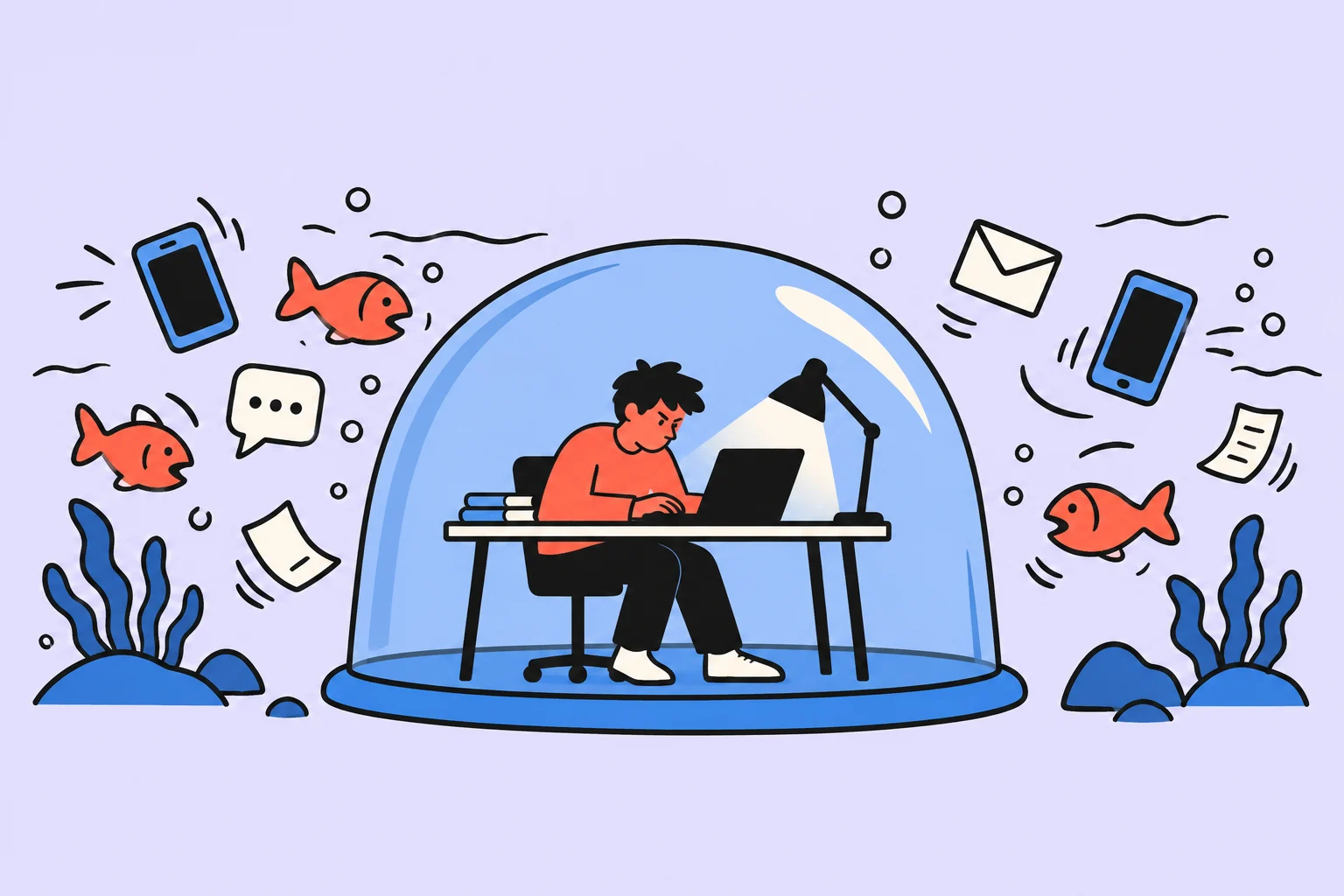
Deep Work: a complete guide to deep, focused work
A complete guide to Cal Newport's Deep Work. How to practice deep work, 4 strategies, focus rituals, and the science of concentration.

12 Financial Habits That Will Change Your Life
12 financial habits of wealthy people. Expense tracking, the 50/30/20 budget, compound interest and an emergency fund: step-by-step instructions and research.
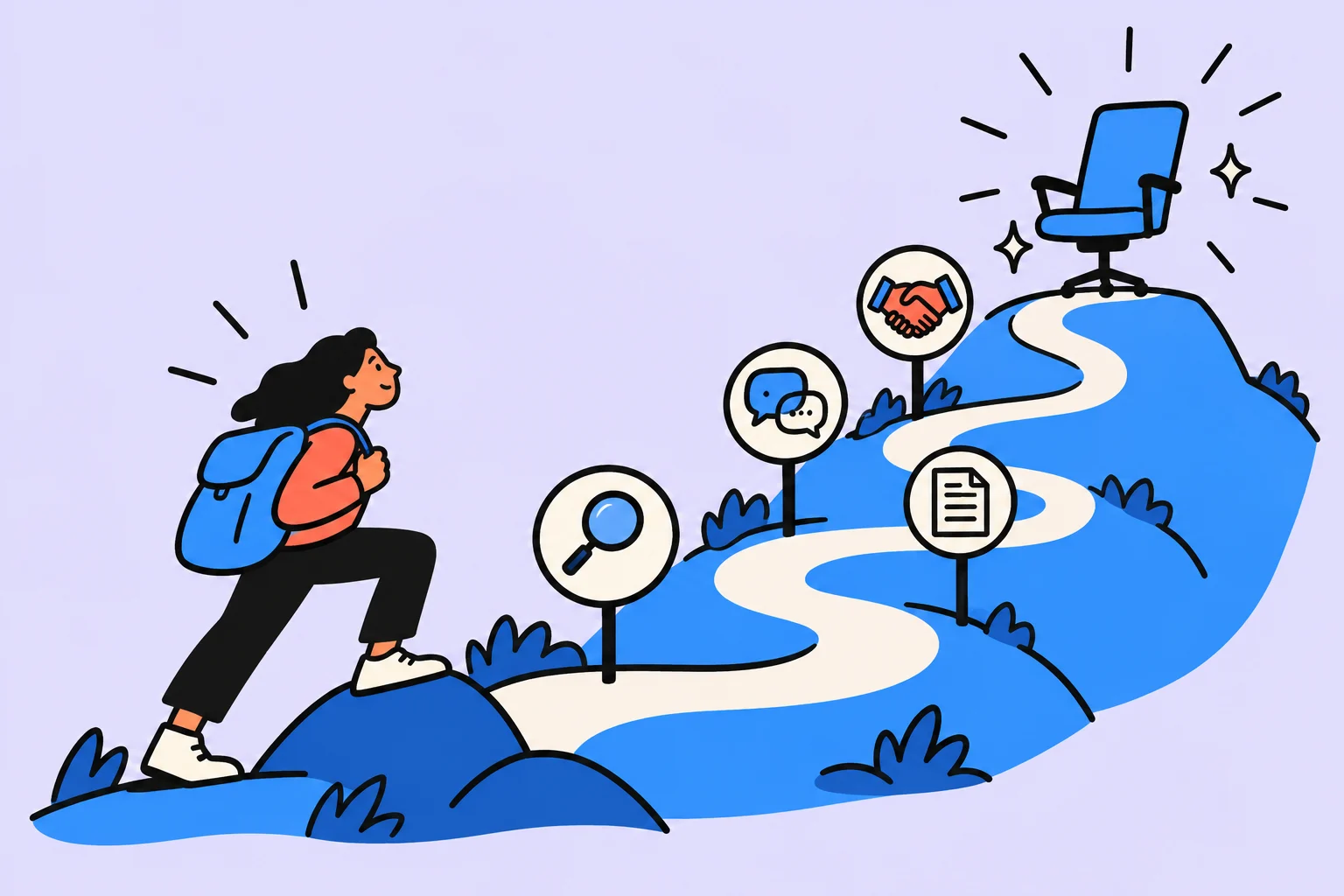
How to Find Your Dream Job: A Step-by-Step Plan
A step-by-step plan for finding your ideal job: self-reflection, writing a resume, networking and preparing for interviews. A practical Sinqly guide for 2026.