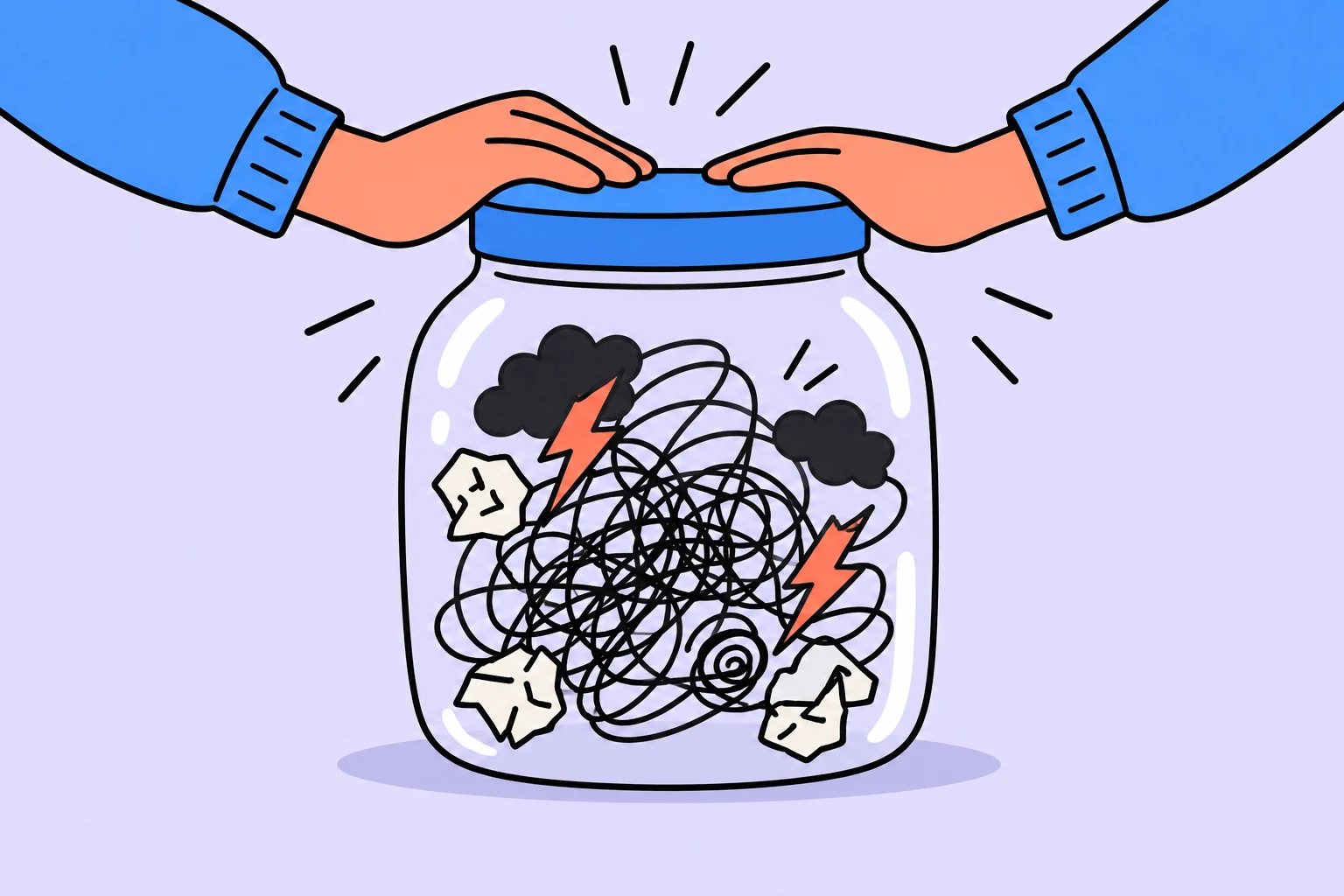
Stress has become an inseparable part of modern life. According to the World Health Organization, more than 70% of people regularly experience physical or psychological symptoms of stress. Chronic stress leads to occupational burnout, heart disease, depression and reduced cognitive function. But there is good news: stress management is a skill you can learn. This article explores 12 research-based practices that really work.
Managing stress means more than “just relaxing.” It is a systematic approach to recognizing stressors, regulating physiological responses, restructuring thinking and restoring resources. Combining techniques creates a personal stress-management system that works for you.
People regularly experience physical symptoms of stress
Reduction in cortisol after 8 weeks of mindfulness practice
Employees consider stress a cause of lower productivity
Annual cost of workplace stress to the US economy
What stress is and why everyone needs to manage it
Stress is the body's response to any demand or threat. Physiologist Hans Selye distinguished eustress —helpful and mobilizing—from distress —harmful and exhausting. Stress itself is not the problem; chronic stress is. When the body remains in fight-or-flight mode, the adrenal glands produce excess cortisol, suppressing immunity, disrupting sleep and damaging neural connections in the hippocampus, the memory-related brain region.
Harvard University research (2022) found that chronic stress increases cardiovascular disease risk by 40% and stroke risk by 24%. People practicing stress-management techniques live an average of 2–3 years longer. Stress management is therefore a vital modern skill, not simply a fashionable term.
Distinguish ordinary stress from chronic stress. Anxiety, insomnia, body pain or appetite loss lasting more than two weeks are reasons to consult a professional. Self-help works for moderate stress, but chronic stress may require professional support.
Breathing techniques: relieving stress in 5 minutes
Breathing is the fastest and most accessible stress-management tool. Stress makes breathing shallow and rapid, increasing anxiety through a feedback loop. Deliberately slowing your breathing activates the vagus nerve, which engages the parasympathetic nervous system: rest-and-recovery mode.
4-7-8 breathing for immediate stress relief
Sit comfortably and rest the tip of your tongue against the roof of your mouth behind your upper teeth
Exhale completely through your mouth with a “whoosh” sound
Close your mouth and inhale through your nose for 4 counts
Hold your breath for 7 counts
Exhale slowly through your mouth for 8 counts with a “whoosh” sound
Repeat for 3–4 cycles, no more than 8 at a time
Dr. Andrew Weil developed this pranayama-based technique, which has demonstrated effectiveness in clinical studies. According to Frontiers in Psychology (2017), systematic diaphragmatic breathing lowers cortisol and improves heart-rate variability, a key marker of stress resilience.
Other effective techniques include box breathing (4-4-4-4), used by Navy SEALs to maintain composure, and coherent breathing (6 breaths per minute), which optimizes autonomic nervous system function. Try different options to find what works best for you.
Progressive muscle relaxation: managing stress through the body
Edmund Jacobson developed progressive muscle relaxation (PMR) in the 1930s. Its principle is simple: stress creates muscle tension, and consciously relaxing muscles signals safety to the brain. Sequentially tense and relax muscle groups to teach your body to distinguish tension from relaxation.
Start with your toes: tense them firmly for 5 seconds, then release and feel the contrast for 10 seconds. Move upward through calves, thighs, buttocks, abdomen, chest, arms, shoulders, neck and face. A full cycle takes 15–20 minutes. Regular bedtime practice improves sleep and reduces background stress, particularly when working on the emotional area of your life.
For busy people, mini-PMR offers a 3-minute body scan. Mentally move from head to feet, notice tension and consciously relax those areas. Do this every hour at work to significantly reduce accumulated stress by evening.
Mindfulness meditation: a scientifically supported stress-management method
Mindfulness meditation means observing the present moment without judgment. Jon Kabat-Zinn's research found that an 8-week MBSR program lowers cortisol by 20–30%, improves immune function and even changes brain structure: greater gray-matter density in the hippocampus and a smaller amygdala, which governs fear responses.
Begin with 5 minutes daily: sit comfortably, close your eyes and focus on breathing. When thoughts carry you away, gently return without judgment. Each return is one repetition for your mental attention muscle. Gradually increase to 15–20 minutes. After 8 weeks of daily practice, you will notice substantially less anxiety and better concentration.
If seated meditation feels difficult, try walking meditation or mindfulness of everyday activities: focus on sensations while washing dishes, eating or showering.
Physical activity: a natural antidote to stress
Movement is a powerful natural antidepressant. Exercise produces endorphins, serotonin and BDNF, brain-derived neurotrophic factor: substances that improve mood, reduce anxiety and stimulate new neuron growth. A meta-analysis of 49 studies (British Journal of Sports Medicine, 2023) found that physical activity reduces anxiety and depressive symptoms by 26%, comparable to antidepressants for mild and moderate cases.
You do not have to run a marathon. Aim for 30 minutes of moderate activity 3–4 times weekly: brisk walking, swimming, cycling, dancing or building a yoga habit. Consistency and enjoyment matter most. If you dislike running, do not run. Find movement you enjoy, and you will return to it repeatedly.
Stanford University research (2022) found that just 5 minutes of daily “physiological sighs”—a double inhale through the nose followed by a long mouth exhale—reduces anxiety more effectively than 5 minutes of ordinary meditation. Neuroscientist Andrew Huberman describes this as an instant nervous-system reset.
Cognitive reappraisal: change your thinking to reduce stress
Stress comes from our interpretation of an event rather than the event alone. This insight underpins Aaron Beck's cognitive behavioral therapy (CBT). Cognitive reappraisal helps you recognize automatic negative thoughts and replace them with more realistic ones.
When stress builds, ask three questions: “How important will this be in a year?”, “What is the worst that could happen, and could I handle it?” and “What can I learn from this situation?” Record stressful events and automatic thoughts in a journal, then find alternative interpretations. Over time, this skill becomes automatic.
Research suggests regular cognitive reappraisal is associated with 35% lower perceived stress and better handling of uncertainty. For systematically tracking thoughts and emotions, use an AI coach, who can help identify recurring thinking patterns.
Time management and prioritization to reduce stress
Task overload is a major modern stressor. When dozens of unfinished tasks spin in your head, the brain stays anxious: the Zeigarnik effect. A sound time-management system reduces cognitive load and creates a sense of control.
A step-by-step plan to reduce stress through time management
Move every task from your head onto paper or into an app to free working memory
Sort tasks with the Eisenhower matrix: important/urgent, important/not urgent, unimportant/urgent, unimportant/not urgent
Focus on important, non-urgent tasks to prevent last-minute emergencies
Use timeboxing: allocate fixed 25–50-minute task blocks
Plan breaks: 5–10 minutes of rest each hour restores concentration
Learn to say no to unimportant requests to protect your resources
DeskTime productivity research supports the “52 minutes of work / 17 minutes of rest” rule. And time management for busy people helps you build a system suited to your own pace of life.
Nutrition and stress management: what to eat to feel calmer
Diet and stress affect each other: stress changes eating habits through overeating or appetite loss, while poor nutrition intensifies the stress response. Certain nutrients directly affect nervous-system function and stress hormone levels.
Magnesium is a natural calming mineral. It helps regulate GABA receptors and lowers cortisol production. Sources include dark chocolate (70%+), spinach, almonds, avocados and bananas. Omega-3 fatty acids in oily fish, flaxseed and walnuts reduce inflammation and improve brain function. B vitamins are essential for producing neurotransmitters: serotonin, dopamine and GABA.
What to limit: excess caffeine—more than 2 cups daily—increases anxiety; sugar causes sharp energy spikes followed by crashes; alcohol disrupts sleep architecture. A Mediterranean diet rich in vegetables, olive oil, fish and whole grains is associated with a 30% lower depression risk (BMJ, 2019).
Social support: how connection helps relieve stress
Humans are social, and isolation during stress intensifies suffering. Neuroscientists found that a warm conversation with someone close lowers cortisol and increases oxytocin, the hormone of trust and attachment. Brigham Young University research found that loneliness increases premature-death risk by 26%, comparable to smoking 15 cigarettes daily.
Do not isolate yourself when things are difficult. Develop the emotional areaof your life: learn to express feelings, ask for help and establish healthy boundaries. If discussing experiences with loved ones feels difficult, begin with an AI coach: Sinqly helps structure thoughts and find constructive solutions without fear of judgment.
Digital detox: managing information stress
A constant stream of notifications, news and messages keeps the nervous system on high alert. The American Psychological Association (APA) identified constant connection as a key modern stressor. People check their phones an average of 96 times daily, every 10 waking minutes.
Set quiet hours without phones or social media. Disable non-urgent notifications. Create a shutdown ritual an hour before bed: no screens, just a book, meditation or conversation. Replace aimless scrolling with a walk, a creative hobby or building a useful habit. Within a week, you will notice reduced anxiety and better sleep.
Try the 20-20-20 rule for digital stress: every 20 minutes of screen work, look at something 20 feet (6 meters) away for 20 seconds. This reduces both eye strain and overall tension.
Sleep and recovery: the foundation of stress management
Sleep is a basic nervous-system need, not a luxury. During deep sleep, the brain clears metabolic waste through the glymphatic system, consolidates memories and restores emotional resilience. Insufficient sleep—less than 7 hours—increases amygdala reactivity by 60%, making you highly sensitive to stressors.
Practice sleep hygiene: sleep and wake at consistent times, keep the bedroom dark and cool at 18–20°C, and avoid screens and caffeine in the hour before bed. If thoughts keep you awake, try a bedtime brain dump: write everything worrying you and tomorrow's action plan on paper. This signals that the brain can release control.
With chronic sleep deprivation, no stress-management technique works at full strength. Improve sleep first: it underpins every other practice. Use Sinqly checklists to track sleep patterns and their influence on stress.
How to create a personal stress-management system
Knowing techniques is not enough; lasting results need a system. American Institute of Stress research (2024) found that combining at least three practices is 42% more effective than using one technique. Consistency is key: even 5 minutes daily is more effective than an hour once a week.
A step-by-step stress-management system
Identify your main stressors—work, relationships, finances and health—and record your top 5
Choose 2–3 techniques from this article that suit you
Start small: 5 minutes of morning breathing + a 10-minute lunchtime walk
Keep a stress diary: rate stress from 1–10 each morning and evening
After 2 weeks, analyze your records and adjust the practices
Gradually add techniques while maintaining previous ones
Use the burnout test as a starting point for assessing your current state.
Meditation and breathing tracker
Track daily mindfulness practice and observe how consistency reduces stress
Stress diary and check-ins
Daily check-ins help reveal stress patterns and identify triggers before they lead to burnout
AI stress-management recommendations
The AI coach analyzes your state and suggests specific relaxation techniques at the right time
Analytics and trends
Stress charts and correlations with habits and sleep help you understand what works for you
Frequently asked questions about stress management
What is stress management, and why do we need it?
Stress management combines skills and techniques for recognizing stressors, regulating emotions and restoring resources. Unmanaged chronic stress leads to burnout, heart disease, depression and reduced cognitive function. It means navigating stress without destructive consequences, rather than never feeling it.
How can I relieve stress in 5 minutes?
The fastest method is 4-7-8 breathing: inhale for 4 counts, hold for 7 and exhale for 8. Complete 3–4 cycles. Progressive relaxation in areas such as hands and shoulders also helps, as does 5-4-3-2-1 grounding: name 5 things you see, 4 you hear, 3 you feel through touch, 2 you smell and 1 you taste.
Which physical exercises relieve stress best?
Aerobic activity—running, swimming or cycling—for 30 minutes 3–4 times a week lowers cortisol by 20–30%. Yoga, reducing anxiety by 20%, tai chi and outdoor walks also help. Consistency matters more than intensity. Choose movement you enjoy.
Does meditation help with stress, and how do I start?
Yes. A meta-analysis of 47 studies (JAMA Internal Medicine, 2014) confirmed reductions in anxiety, depression and pain with mindfulness meditation. Begin with 5 minutes daily: sit comfortably, close your eyes and focus on breathing. Gently return attention when your mind wanders. After 8 weeks, the practice substantially changes stress responses.
How does diet affect stress levels?
Foods containing magnesium (dark chocolate, spinach and nuts), omega-3 fatty acids (oily fish and flaxseed) and B vitamins lower cortisol. Caffeine and sugar increase stress responses. A Mediterranean diet is associated with a 30% reduction in depression risk.
When should I see a doctor about stress?
Consult a professional if stress lasts over 2 weeks, disrupts sleep or involves panic attacks, unexplained physical pain, loss of interest in life or suicidal thoughts. Also seek help if breathing, meditation or exercise brings no relief within a month.
Can stress be eliminated completely?
No, and it does not need to be. Moderate stress, or eustress, mobilizes resources and improves productivity. Stress management aims to regulate stress, recover quickly and prevent chronic stress, rather than eliminate it completely. Managing stress is a marathon, not a sprint.
When to consult a professional
Self-help works for moderate stress. But persistent fatigue, sleep disruption lasting over 2 weeks, loss of interest in life, panic attacks or physical symptoms without a medical cause may indicate burnout or an anxiety disorder. In that case, consult a psychotherapist or psychiatrist.
The American Psychological Association recommends seeking help when stress interferes with everyday life, work or relationships. Looking after mental health is responsibility toward yourself and loved ones, not weakness. Begin with the burnout testto assess your current state and understand whether professional support is needed.
Turn an idea into action
Was this helpful?
Rate the article and tell us what was missing. Your feedback goes to the Sinqly team and will not be published on the site.
21 Days to Build a Habit: Myth or Reality?
Are 21 days really enough to build a habit? Exploring the UCL study, the neuroscience of automatic behavior and realistic timelines.
A Habit in 21 Days: What the Research Says and How to Start
Why 21 days does not guarantee a habit. The limits of Lally's research, a practical plan and a completed example for tracking actions and missed attempts.
Mindfulness in everyday life: 15 mindfulness practices
Mindfulness practice for every day. 15 techniques without meditation: scientific foundations, step-by-step instructions, and research findings.