Teamwork: meetings, agreements and moving tasks forward
Teamwork can stall for reasons beyond a large task list. Sometimes it is unclear who takes over; sometimes a decision stays in chat; sometimes a meeting ends without a next step. Choose the part of the process you need to improve.

You discussed it, but nothing changed
Before the meeting, define the question that needs a decision. Afterwards, record the action, owner and completion criterion. Meeting notes are useful when participants can continue without another discussion.

Team meeting agenda: cover what matters and finish on time
Build an agenda around decisions.
Read the guide ↗
Meeting minutes: an example, decisions and tracking agreements
See completed meeting notes and take the template.
Read the guide ↗
One-to-one meetings: practical questions for managers and employees
Separate obstacles and support from task reporting.
Read the guide ↗Work gets stuck between people
Agree what each stage means and what is required to hand the result over. Waiting should have a next review point. Completion should have a criterion that lets someone else accept the work.
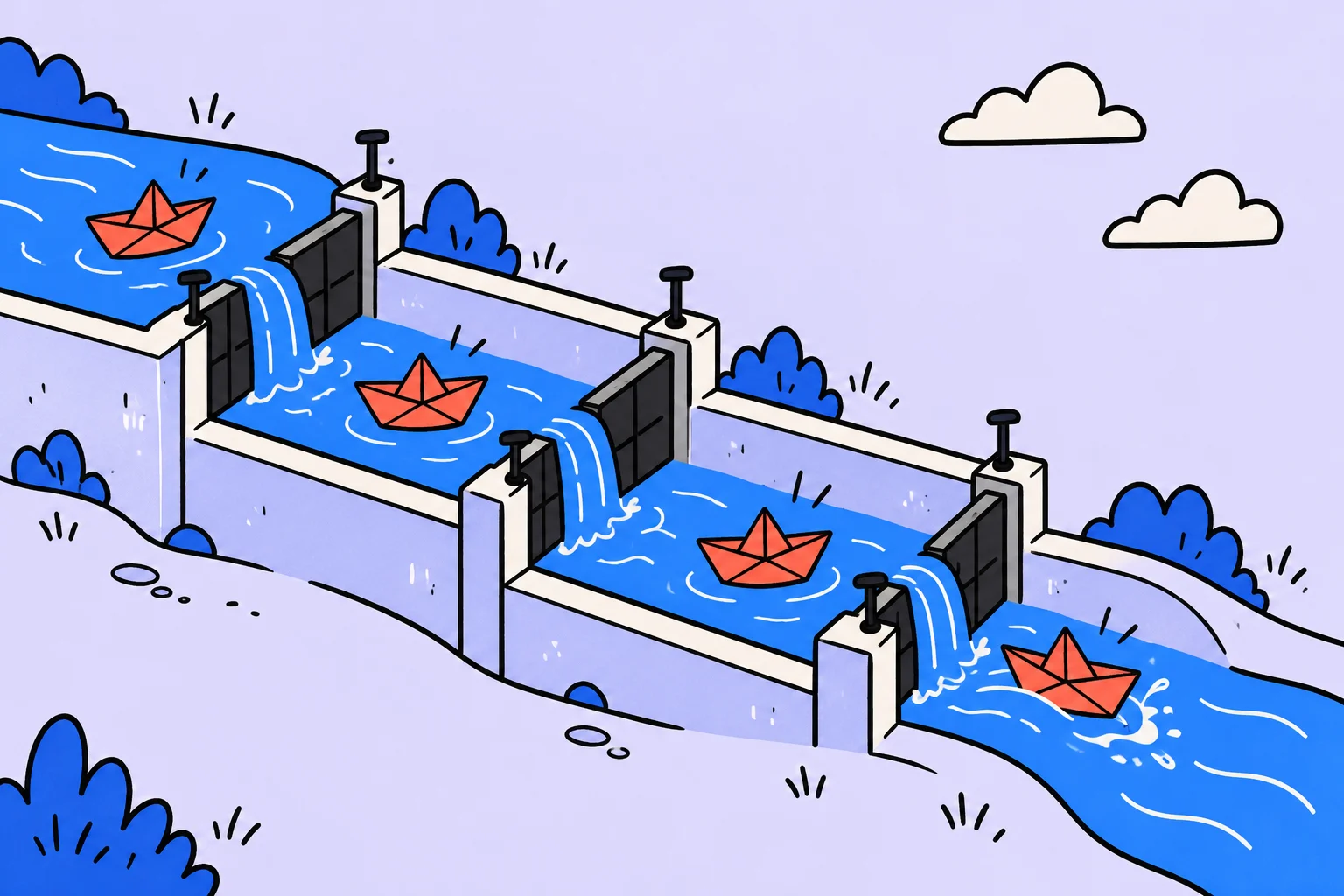
Team Kanban board: columns, WIP limits and moving tasks
Define the meaning of columns and how cards move.
Read the guide ↗
Scrum or Kanban: choose a way of working for your team
Compare approaches against the kind of work arriving.
Read the guide ↗
Team retrospective: a meeting plan and follow-up actions
Choose one testable process change.
Read the guide ↗People search for the same answers again and again
Separate current instructions from chat and appoint an owner to keep them updated. A task link should lead to the working source, and a newcomer should know where to find the rules and whom to ask.

Company knowledge base: structure, first articles and update rules
Start with a small, useful document structure.
Read the guide ↗
Employee onboarding: an adaptation plan for the first month
Build a clear route for a new colleague.
Read the guide ↗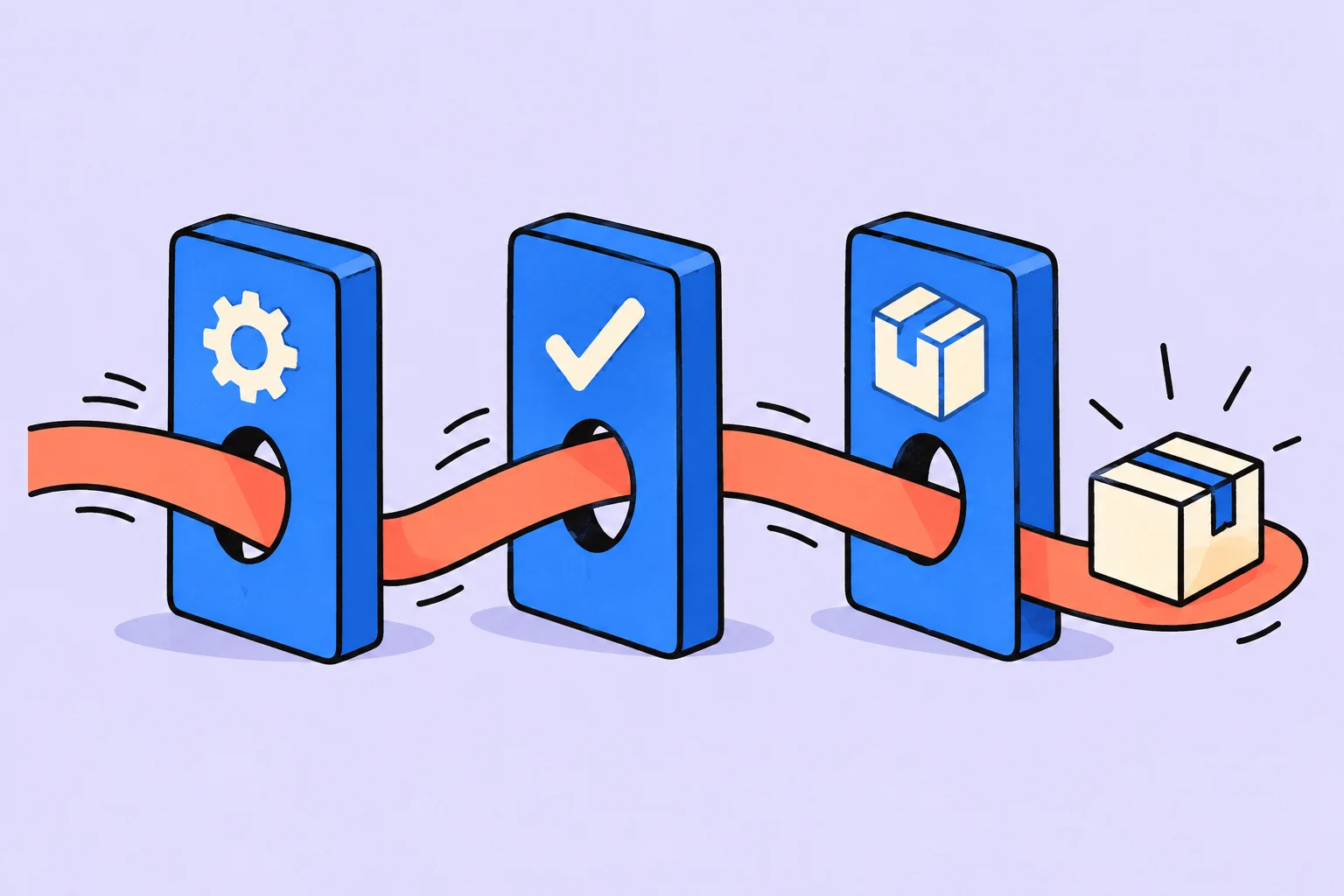
Working procedures: describe a process people actually use
Describe repeatable work and exceptions.
Read the guide ↗From reading to your own example
Start with one recurring failure. For example, decisions disappear after a team meeting. Change how they are recorded and check the outcome at the next meeting. Adopting several methods at once makes it harder to tell which change helped.